
Key Takeaways
- Assessment Scoring Guide: Score your facility’s social readiness (0-3 points = Needs Foundation, 4-7 points = Ready to Scale, 8-10 points = Optimization Phase).
- Top 3 Success Factors: 1) Speed to lead (contacting inquiries in under 15 minutes), 2) Compliance-first workflows (zero HIPAA violations), 3) Platform alignment (targeting a 3.7% engagement rate on visual platforms).
- Immediate Next Action: Audit your Google Business Profile and verify your crisis line numbers are accurate across all directories today.
Why Social Media Marketing for Hospitals Is Now an Operational Asset
From Marketing Tool to Strategic Function
Assessment Tool: Is Your Social Media a Strategic Function?
- Is your admissions team involved in crisis communication protocols?
- Do you use social data to inform patient education or service improvements?
- Are reputation management and patient engagement tracked as key performance indicators (KPIs), not just likes or follows?
You know how critical it is to keep your census high while driving down your cost per admission (CPA). Implementing effective social media marketing for hospitals has rapidly evolved from a basic promotional channel to a core strategic function for treatment centers. In the past, many organizations treated these platforms as an afterthought or a simple add-on to traditional advertising.
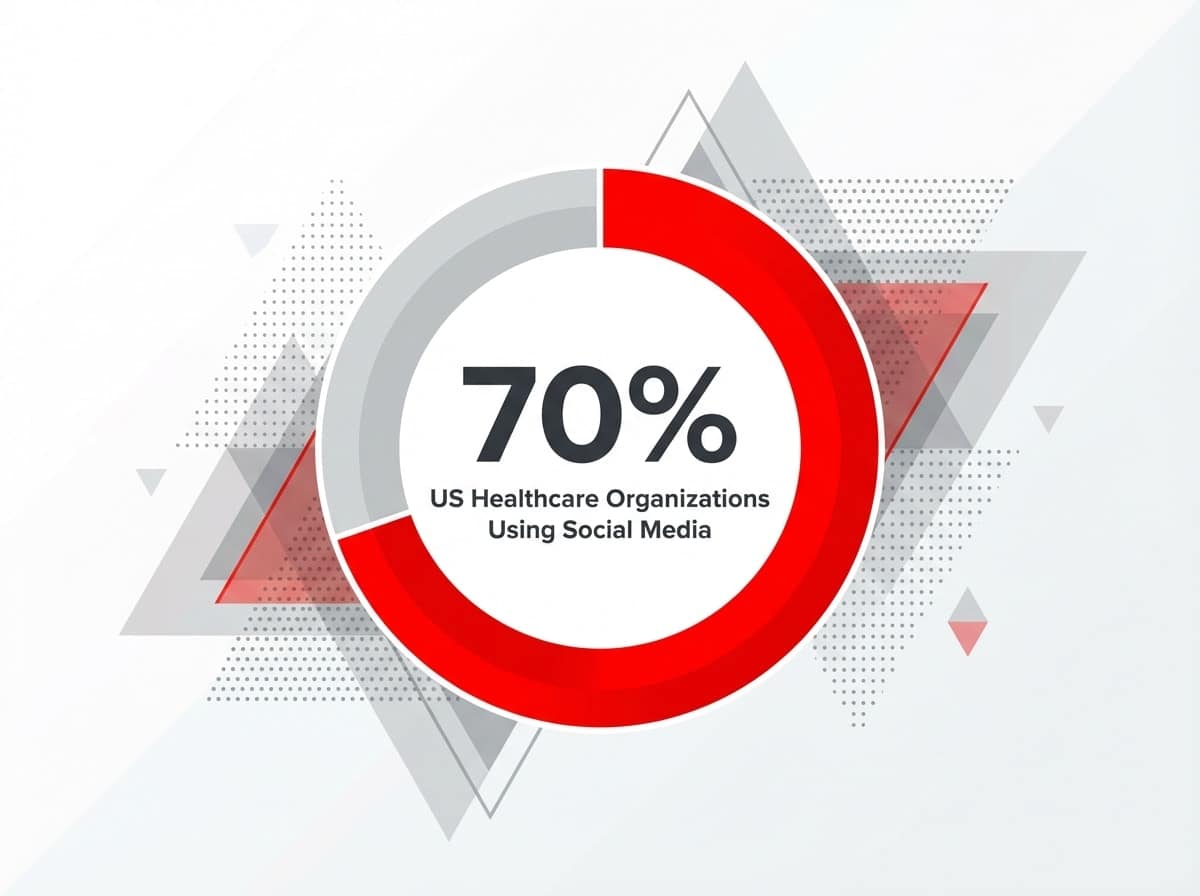
Now, your admissions teams must collaborate with clinical, communications, and executive leaders to shape real-time patient experiences, manage reputational risk, and support operational decisions. About 70% of U.S. healthcare organizations maintain active profiles, reflecting how embedded these platforms have become in daily operations.2
This shift is driven by the reality that your digital presence directly impacts patient satisfaction, appointment volume, and clinical outcomes. For example, facilities with lower readmission rates are more likely to have active Facebook pages and receive higher online ratings.10
This approach works best when your team needs to coordinate public health messaging, respond to community concerns, or support your reputation during a crisis. Integrating these efforts across departments also increases accountability for compliance, ensuring HIPAA and ADA requirements are met. As you rethink your approach, remember that a strong social presence is now an operational necessity, not just a marketing experiment.
The Business Case: Quality Metrics and ROI
| Metric | Tracking Method | Business Impact |
|---|---|---|
| New Inquiries | UTM parameters on social links | Directly lowers Cost Per Admission (CPA) |
| Engagement Rate | Platform analytics | Boosts brand trust and patient satisfaction |
| Review Volume | Reputation management software | Improves local SEO and conversion rates |
To make the business case for your digital strategy, you have to move past surface-level stats like follower counts. Focus on metrics tied directly to admissions, patient satisfaction, and quality care. Facilities that excel on clinical quality, such as maintaining lower 30-day readmission rates, are often the same ones with active Facebook pages and higher social ratings.10
Consider this method if your admissions team wants to trace leads or conversion events directly back to specific educational posts. Industry-wide, a vast majority of these organizations now invest heavily in these channels, reflecting a clear shift toward measurable outcomes. The projected 18.1% annual growth in healthcare ad spending highlights the growing confidence in its ability to deliver real business results.25
“The difference between treatment centers running at 85% census and those struggling at 60% often isn’t budget—it’s whether they’ve built the marketing fundamentals that turn website visitors into qualified admission calls.”
Up next, you’ll see how to match your platform choices to your core patient and referral demographics for even better ROI.
Platform Selection and Audience Alignment
Matching Platforms to Patient Demographics
Platform Matchmaking Checklist: Which Channels Fit Your Patient Base?

- Review your primary patient demographics (age, gender, language, tech comfort).
- Compare engagement rates by platform for healthcare (Instagram, LinkedIn, Facebook, TikTok, X).
- Map service lines (e.g., detox, outpatient, family therapy) to the social platforms most used by those groups.
- Check for platform accessibility features and compliance support.
Getting platform selection right is crucial for effective digital outreach. Each platform attracts different audiences and offers unique engagement styles. For instance, Facebook remains the most popular for family decision-makers and older adults, thanks to its broad reach and community tools.2
Instagram excels with younger adults and parents, boasting the highest engagement rate for healthcare organizations at 3.7%.0 TikTok is gaining traction for reaching Gen Z and Millennials with short, educational video content, though engagement rates are typically lower at 1%.0
This strategy suits organizations that align service lines with where their core patient groups actually spend time online. If you’re a small boutique detox center, you might focus heavily on Instagram for brand building, whereas a large enterprise hospital system might need a robust Facebook presence to manage community groups and family support. Always factor in accessibility and language needs for your market.
Professional Referral Networks and LinkedIn
Referral Network Builder: Steps to Strengthen Professional Connections
- Audit your staff and physician LinkedIn profiles for professionalism and up-to-date credentials.
- Share medical insights, outcomes data, and case studies to attract referral partners.
- Engage with local providers, referring practices, and healthcare organizations through direct messaging and group participation.
- Track new referral requests and partnership inquiries generated via LinkedIn analytics.
When it comes to professional outreach, LinkedIn stands out as a powerhouse. In fact, LinkedIn generates a visitor-to-lead conversion rate that is 277% higher than Facebook and Twitter for professional audiences.34
A well-managed LinkedIn presence isn’t just about posting job openings. Treatment center teams use LinkedIn to share research highlights, promote clinical programs, and foster direct connections with referring physicians. Facilities with strong LinkedIn networks often see faster response times from partners, more qualified staff applicants, and new collaborative opportunities that wouldn’t surface on patient-facing platforms.
Opt for this framework when you depend on consistent physician referrals, Employee Assistance Programs (EAPs), or B2B relationships to keep your admissions pipeline full. For multi-location systems or those launching new service lines, LinkedIn’s group and messaging features can be especially effective for building engagement with provider organizations and health networks.
Compliance Framework and Risk Management
HIPAA Compliance and Financial Consequences
HIPAA Compliance Risk Assessment Checklist
- Are all social media posts reviewed for potential protected health information (PHI) disclosures?
- Does your team have a formal approval process for replies to reviews or patient comments?
- Is staff regularly trained on the difference between general health info and PHI?
- Are compliance officers involved in your social media strategy?
When managing your digital presence, HIPAA compliance isn’t just a legal formality—it’s a guardrail that protects your organization from major financial and reputational harm. HIPAA sets strict rules about sharing patient information publicly. Protected Health Information (PHI) is any demographic information that can be used to identify a patient. Even well-meaning responses to patient reviews or comments can cross the line if they confirm treatment or reveal any patient details.
The financial stakes are high. Healthcare providers have been fined $10,000 to $30,000 for HIPAA violations tied to social media disclosures, such as mentioning a patient by name or discussing a specific diagnosis online.6
This path makes sense for hospital teams who want to empower social engagement without putting admissions or brand reputation at risk. Regular staff training, pre-approved content workflows, and compliance sign-off on public responses all help reduce risk.
ADA Digital Accessibility Requirements
ADA Accessibility Audit Checklist:
- Are all videos captioned and images provided with alt text?
- Have you tested social media posts for screen reader compatibility?
- Is your content free from color-only distinctions and easy to read for those with low vision?
- Are your team members trained on digital accessibility best practices?
ADA digital accessibility requirements are now a legal must for treatment centers. ADA, which stands for Americans with Disabilities Act, requires that both websites and mobile apps—including your social media content—are accessible to people with disabilities. This includes features like alt text for images, captions for videos, and designs that work well with screen readers.
A new federal rule requires healthcare organizations with 15 or more employees to make all digital content compliant by May 11, 2026.26 The time investment for a full audit and remediation varies, but many organizations plan for several weeks of review and staff training each year.
This approach is ideal for treatment center owners looking to avoid lawsuits, expand reach, and serve all patients equitably. With accessibility and privacy covered, it’s time to focus on how your content strategy can build trust and drive more patient engagement.
Unlock Predictable Growth with Smarter Hospital Social Media
Active Marketing helps hospitals build an efficient, data-driven social media presence that drives real admissions while lowering your cost per patient—boosting both your reach and your bottom line.
Start Your StrategyContent Strategy in Social Media Marketing for Hospitals
Leveraging Patient Testimonials and Reviews
| Testimonial & Review Readiness | Status (Yes/No) |
|---|---|
| Do you have signed consent for every patient story shared? | |
| Are testimonials checked for HIPAA compliance and anonymity? | |
| Is there a regular process for monitoring and responding to online reviews? | |
| Are patient experiences shared in a way that supports trust and transparency? |
When you’re building patient trust, few tools are as powerful as real testimonials and reviews. In fact, 83% of patients say they trust reviews from fellow patients more than information coming directly from a provider.3 Sharing these stories isn’t just about promotion—it creates a bridge of authenticity that helps future patients feel understood and supported.

Spotlighting diverse patient voices and ensuring every post protects privacy is key. For example, featuring recovery journeys or positive care experiences (with explicit consent) can help reduce stigma and make your facility more approachable. Regularly monitoring and professionally responding to online reviews—both positive and negative—shows that your organization values feedback and takes concerns seriously.
Consider this route if you are aiming to boost patient confidence and differentiate your services in a crowded market. Facilities that consistently share patient testimonials on their social channels see greater engagement and higher trust scores, leading to a stronger admissions pipeline.3
Combating Misinformation with Authority
Authority Content Checklist: Are You Set to Counter Misinformation?
- Do you regularly share evidence-based updates from trusted medical sources?
- Are physician experts visible in your social media posts and videos?
- Is your team monitoring for trending health myths or viral misinformation?
- Do you have a rapid response plan for correcting false information?
Battling misinformation is now a daily reality. Misinformation can erode trust and directly affect patient decisions, so your team’s response must be proactive and consistent. Featuring credentialed staff—like clinical directors or department heads—in videos or Q&A sessions helps establish your organization as a go-to source when questions arise.
This method works when you combine timely myth-busting posts with easy-to-understand graphics and cite respected authorities, such as CDC or SAMHSA guidelines, in your content. Responding quickly to viral rumors can help stop them from spreading.
For example, when a new treatment or health scare is trending online, facilities that share clear, factual updates see higher engagement and improved patient trust scores.14 Another high-impact strategy is collaborating with patient influencers; when credible advocates share accurate information, 92% of their followers are likely to discuss it with their doctor—demonstrating just how powerful peer voices can be in reinforcing your message.4
Your Next 30 Days: Implementation Roadmap
You’ve identified the gaps in your current marketing—now it’s time to close them systematically. The next 30 days will transform scattered marketing efforts into a structured admissions engine. This roadmap focuses specifically on the touchpoints that drive calls from people in crisis, because in our industry, timing isn’t just important for conversions—it can be life-changing for the families reaching out to you.
Week One: Starts with your foundation. Audit your current admissions data—which insurance types convert best from inquiry to admission, where your highest-quality calls originate, and specifically where you’re losing potential admits in your verification process. Look at your average time-to-contact after form submissions and identify any gaps longer than 15 minutes (industry data shows contact speed dramatically impacts conversion in behavioral health). This baseline shows you exactly what needs fixing first.
Week Two: Focuses on quick wins with compliance in mind. Update your Google Business Profile with current photos of your facility and accurate service descriptions that reflect your licensure and accreditations. Respond to recent reviews following HIPAA guidelines, and audit that your crisis line numbers are consistent across every directory listing. During this week, also review your consent language on contact forms to ensure you’re capture-compliant before ramping up lead volume.
Week Three: Tackle your website’s conversion barriers specific to treatment seekers. Test your contact forms and insurance verification requests—do they ask for too much information upfront? Verify your admissions line displays prominently with click-to-call functionality on mobile (where 70%+ of crisis searches happen). Call your own center as a mystery shopper during evening hours—you’ll discover after-hours gaps or verification friction points your team might miss during business hours.
Week Four: Brings it together. Launch one targeted campaign based on your audit findings. Maybe it’s a Google Ads test for your highest-converting insurance panels, or localized content addressing the specific substances or conditions where you have immediate bed availability. Start small, measure everything against your current cost-per-admission baseline, and refine based on real data from your admissions team.
To track your campaigns accurately, always use UTM parameters on your links. Here is a quick example of how that looks:
https://yourtreatmentcenter.com/admissions?utm_source=facebook&utm_medium=social&utm_campaign=spring_detoxPro tip: Use Ctrl + D (or Cmd + D on Mac) to bookmark your analytics dashboard so you check it daily. This solution fits facilities that need to build sustainable growth in their admissions pipeline while respecting the operational realities dealt with every day.
Frequently Asked Questions
What budget should I allocate for hospital social media marketing?
Budget allocation for social media marketing for hospitals depends on your goals and market size, but most organizations begin by setting a test budget for pilot campaigns, then scale based on results. Industry-wide, healthcare and pharma social media ad spending is projected to grow by 18.1% year over year, reflecting increased confidence in digital as a driver of patient acquisition 25. A typical approach is to allocate a portion of your overall marketing budget—often between 10% and 20%—for social initiatives, including creative, compliance reviews, and paid promotion. This path makes sense for hospitals looking to benchmark performance before committing additional resources.
How do I measure social media ROI beyond vanity metrics?
To measure ROI for social media marketing for hospitals, look beyond likes and followers. Focus on metrics tied directly to admissions and clinical outcomes. Track new patient inquiries or appointment bookings from social channels, monitor changes in patient satisfaction survey results, and connect review volume or sentiment to your reputation scores. Hospitals with strong social media programs often see measurable improvements in patient engagement and even lower readmission rates 10. This approach is ideal for organizations aiming to link social activity to business goals, not just digital popularity.
Should I hire an in-house team or partner with a specialized agency?
Deciding between an in-house team and a specialized agency for social media marketing for hospitals comes down to your internal resources and growth goals. An in-house team allows for more direct oversight, faster day-to-day updates, and deeper alignment with your hospital’s brand voice. This approach works best when you have dedicated staff with healthcare marketing expertise and time for ongoing compliance training. On the other hand, partnering with an agency offers access to broader industry benchmarks, advanced analytics, and the ability to quickly scale campaigns—especially helpful in a field where ad spending is rising by 18.1% year over year 25. This strategy suits hospitals seeking specialized skills or rapid results without the overhead of hiring full-time staff.
How long does it take to see patient acquisition results from social media?
You’ll typically begin to see early patient acquisition results from social media marketing for hospitals within the first 30 to 90 days of launching a focused campaign. Several factors shape this timeline: how often you post, the relevance of your content, your platform mix, and whether you use paid promotion or organic-only efforts. Hospitals that combine consistent posting with targeted ads tend to see faster results—sometimes as early as one month—while purely organic growth often takes longer to build momentum. About 70% of U.S. healthcare organizations now use social media, and most report measurable increases in patient inquiries within the first quarter of active engagement 2.
What are the biggest compliance mistakes hospitals make on social media?
The most common compliance mistakes in social media marketing for hospitals include accidentally sharing protected health information (PHI), failing to get proper patient consent for testimonials, and not following digital accessibility rules. Even replying to a patient’s public review can break HIPAA if staff confirm treatment or mention details about care. Fines for these violations have reached up to $30,000 in some cases 6. Another frequent issue is overlooking the new ADA digital accessibility requirements—like missing captions or alt text—putting your organization at legal risk by 2026 26. Avoid these pitfalls by training staff, using pre-approved responses, and running regular compliance reviews.
How can I encourage staff participation without risking HIPAA violations?
To encourage staff participation in social media marketing for hospitals while staying HIPAA compliant, start by offering clear guidelines and regular training on what counts as protected health information (PHI). Set up a pre-approval process for staff-created posts or comments, so nothing goes live without a compliance check. Encourage sharing general health tips, community news, or behind-the-scenes hospital life—never patient stories, photos, or details unless you have documented consent. Hospitals have faced fines of up to $30,000 for accidental PHI disclosures on social media, so these safeguards are essential 6. This method works when you empower staff with safe, approved ways to contribute and celebrate their involvement.
Which platform delivers the best cost per patient acquisition for hospitals?
No single platform guarantees the lowest cost per patient acquisition for hospitals, but trends show that Facebook and Instagram often deliver the strongest results for patient-facing campaigns due to their broad reach and high engagement rates (Facebook: 1.9%, Instagram: 3.7%) 0. For professional referral pipelines, LinkedIn is 277% more effective at converting visitors to leads than Facebook or Twitter, making it a standout for B2B or specialty service lines 34. This approach is ideal for hospitals targeting both new patient inquiries and referral partnerships. Social media marketing for hospitals works best when you test multiple channels to benchmark your own cost per acquisition and optimize spend based on real pipeline data.
Conclusion
This 30-day roadmap gives you a structured approach to building an admissions pipeline that consistently fills beds while bringing your cost per admission down to sustainable levels. The difference between treatment centers running at 85% census and those struggling at 60% often isn’t budget—it’s whether they’ve built the marketing fundamentals that turn website visitors into qualified admission calls.
The centers seeing the strongest bed utilization rates right now are the ones who’ve committed to the basics: quality content that answers the questions families ask at 2 AM, technical foundations that make their programs discoverable when someone searches for help, and tracking systems that show exactly which marketing dollars are generating admissions versus just clicks. When one of our clients implemented proper call tracking in week one, they discovered that 40% of their PPC budget was going to keywords that generated calls but zero admissions—that single insight cut their cost per admission by nearly half.
Start with week one. Get your analytics and call tracking in place so you’re making decisions based on actual admission data, not traffic reports that don’t correlate to census. Then build from there, one week at a time. The implementation timeline gives you structure, but adapt it to fit your admissions team’s capacity and your center’s specific patient population.
You’re dealing with enough operational challenges—insurance authorizations, clinical staffing, state compliance audits. Prioritize this when you want your marketing strategy to be the part of your business you can actually control and predict. If you want to see how these fundamentals apply to your specific program type and patient demographics, our Treatment Center Marketing Assessment will show you exactly where the gaps are in your current admissions pipeline and what fixing them could mean for your cost per admission.